
15 °c Wind speed: 19.5 km/h Precipitation: 20.5 % Cloudiness: 43.5 % Humidity: 79.5 mm Pressure: 20.5 mb
Duncannon Fort
Duncannon
WX
Ireland

Description
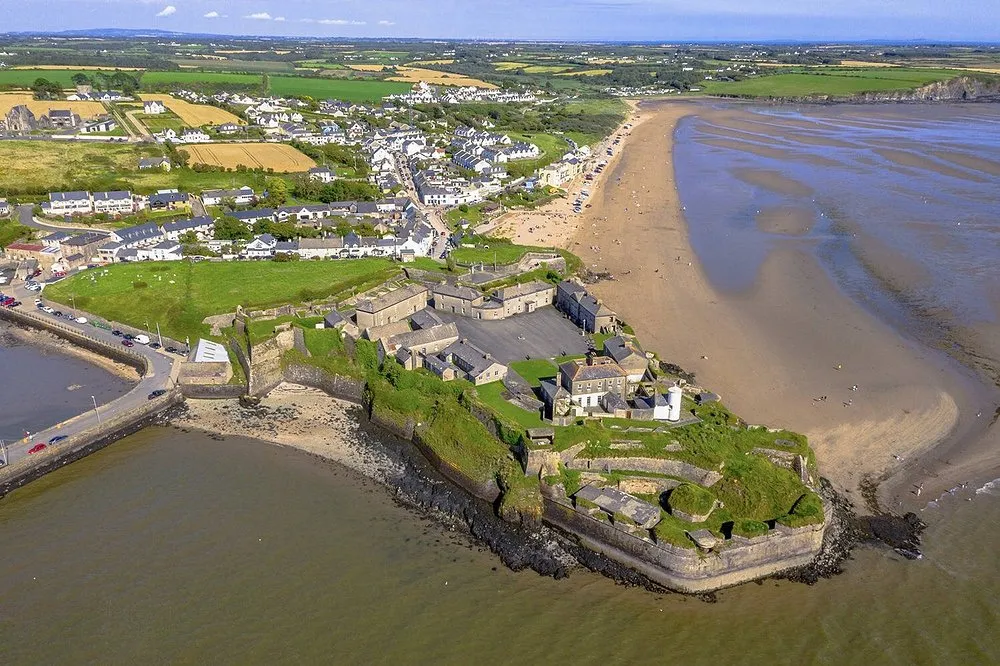
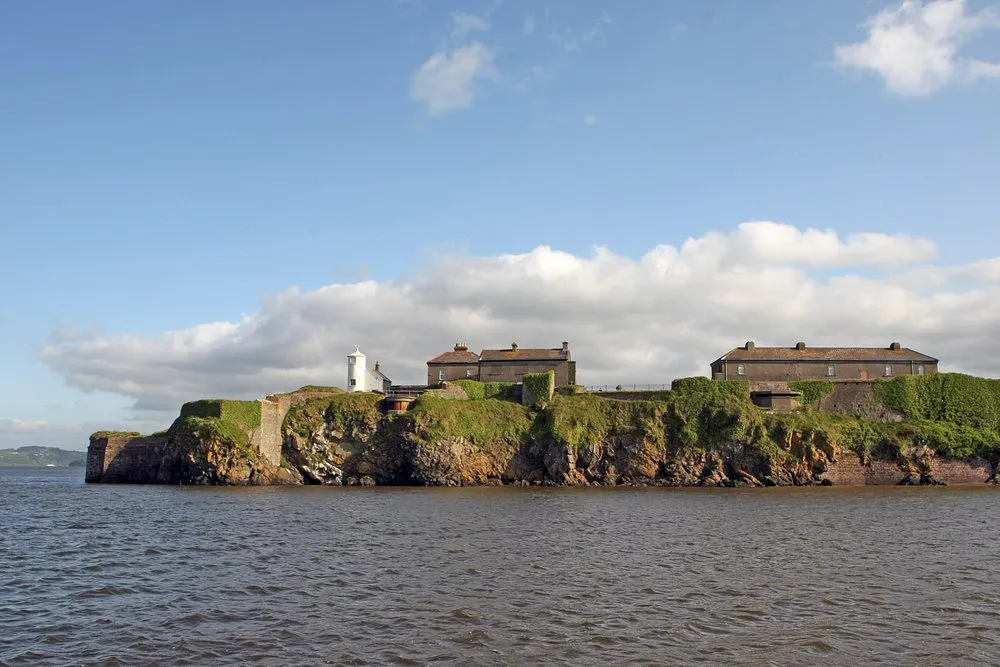
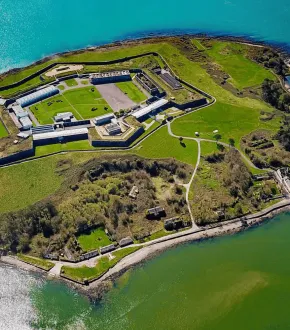
Sitting in a great spot on a rocky headland where the Three Sisters rivers (that's the Barrow, Nore, and Suir) hit the sea at the mouth of Waterford Harbour, Duncannon Fort in County Wexford has amazing views for history and shipping. This isn't some pretty fairytale castle; nope, it's a tough, no-nonsense fort whose old stones seem to tell stories of takeovers and toughness. For hundreds of years, its sturdy sea-facing walls have felt the waves crashing, a stronghold from the past, which means finding a story where real facts often feel as exciting as legends. You'll feel hints of history feeling strong inside its old, worn walls. Get ready to be grabbed as you walk around its special old grounds—Duncannon Fort leaves something you won't forget, a strong reminder of Ireland's rough history and people's lasting spirit.
Why Build a Fort Here?
Its lasting appeal starts with its great spot. For ages, this headland would have been a top lookout. But the fort we know today got going in the late 1500s. Tensions were high between England and Ireland. So, Queen Elizabeth I ordered a star-shaped fort built here around 1587-88, specifically to guard the important entrance to Waterford Harbour—a key trading port and a handy landing spot for anyone thinking of invading, especially the Spanish! It was a big deal, a modern artillery fort designed to take cannon fire and show who was boss. These were its early years, built for war.
Sieges, Cromwell, and "By Hook or by Crook"
The stories of takeovers and toughness are burned into Duncannon's history. It played a key part in some of Ireland's biggest fights. During the Confederate Wars in the 1640s (part of those big Wars of the Three Kingdoms), Duncannon was a key Royalist base. It famously held out during a long, tough siege by Irish forces under General Thomas Preston in 1645, but finally fell. Later, Oliver Cromwell himself knew it was important during his nasty campaign in Ireland, and the fort got attacked again. That Cromwell fella got everywhere! That famous saying, "By Hook or by Crook," often linked to Cromwell being determined to take Waterford (by #hookhead, where this fort is, or by the nearby village of Crooke), kind of hangs in the air around here—whether he said it about this Hook or not, it's a good story! Duncannon's walls have seen some serious action—cannonballs flying, desperate fights.
Still on Duty: Later Years
The fort kept its military job through the 1700s and 1800s. It had soldiers stationed here during the 1798 Rebellion, a big anti-British uprising in Ireland, especially strong in Wexford. It was a defence post against a possible French invasion during the Napoleonic Wars, too, and they probably updated the guns as new army tech came out. Throughout all these past times, Duncannon was an active army base, its presence a constant sign of British power and how important this bit of coast was. The hints of history here are of all those soldiers from different times—their drills, their jobs, their worries, and just their daily lives inside these tough walls.
What's Left to See Today?
Walking through Duncannon Fort today is a trip that pulls you in, where the past meets the present. You can still see a lot of the original star shape, with its pointy bits of wall made for making cannonballs bounce off, and so they could shoot in all directions. You can explore the ramparts, look out from the spots for cannons, and imagine them roaring. The thick stone walls, battered by hundreds of years of sea spray and storms, tell stories of just sticking it out. Inside the fort, different buildings would have been barracks for soldiers, storerooms, officers' rooms, maybe a little chapel. Some might be ruins now, but others might be partly fixed up or have displays explaining the fort's past.
More Than Just Stones: People's Stories
The stories every stone carries aren't just about army plans; they're about real people. Just imagine the soldiers stationed here, miles from home, facing tough conditions in a coastal fort—mostly boredom, then sudden terror during a siege! Think about the local Irish people, who often saw the fort as a sign of being ruled by someone else. These personal tales, even if not all written down, are a huge part of the fort's great mix of history. The very feel inside its old, worn walls can give you a strong sense of those past lives.
Still Standing Tall: Duncannon Today
Duncannon Fort's importance today is its status as one of Ireland's most significant and pretty well-kept examples of an old artillery fort with those pointy walls. It connects different times by letting modern visitors step right into a place shaped by hundreds of years of military history. It's a great place for learning, helping people understand how forts changed, the history of fighting in Ireland, and the complicated relationship between Ireland and Britain. The legacy of those who built it, fought for it, and were affected by it feels strong.
That Duncannon Feeling
As you walk around its special old grounds, looking out over that huge stretch where the rivers meet the sea—the very waters it was built to control—you can't help but feel the weight of its long past. The lasting appeal of Duncannon Fort is in this powerful mix of rough buildings, dramatic coastal views, and hundreds of years of important Irish history. It is a place where the hints of history are not quiet; they ring out loud and clear, telling of sieges, soldiers, and the long fight for control and freedom.
Leaving Duncannon Fort, something you won't forget it leaves is respect for its toughness and a better understanding of the rough times that shaped Ireland. It's a strong reminder of how fighting and needing good defence spots have marked the landscape, making strongholds from the past that still grab us and teach us things today. The simple beauty of its old stones and windy ramparts does connect different times, offering an unforgettable trip into Ireland's fighting past.
#irishhistory #wexford #coastaldefence #starfort #militaryhistory #historicalsite #waterfordharbour #visitireland #heritageireland #cromwell #1798rebellion #napoleonicwars
Comments