
You can share it on social networks
9 °c Wind speed: 27 km/h Precipitation: 94 % Cloudiness: 76 % Humidity: 85 mm Pressure: 94 mb
Kells Priory
Description
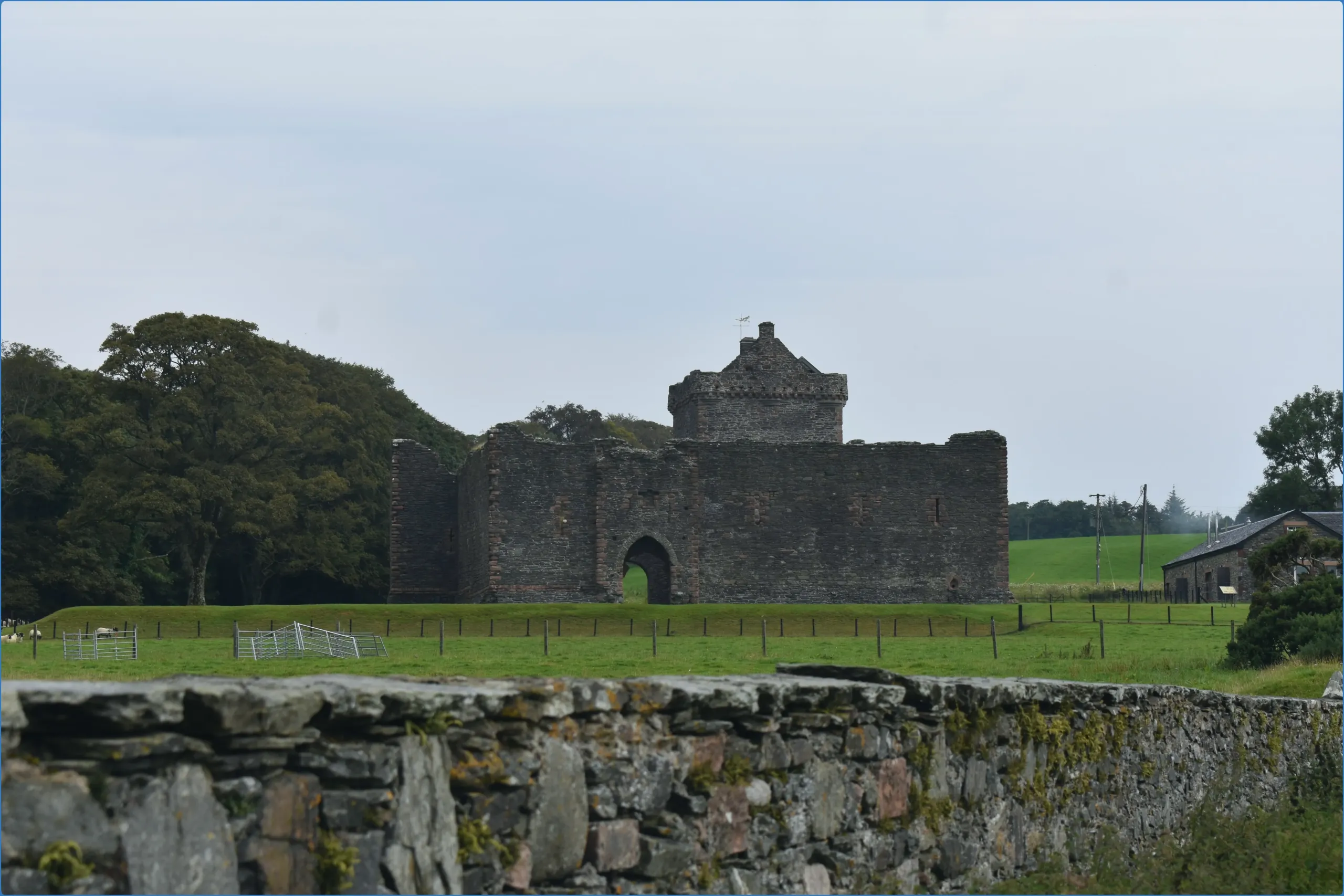
Tucked away by the Kings River in the green County Kilkenny countryside, near the village of Kells (not the one with the famous Book, that's in Meath!), the big, atmospheric ruins of Kells Priory are a strong reminder of Ireland's amazing medieval past. It's not just a pile of old stones; it's got this deep, mysterious charm, where old hints of belief, fights, and everyday monk life mix with how we see it today. Walking its special old grounds is like diving into a mix of history and legend, hearing stories of monks and knights that seem to roam the old paths. Kells Priory is a peaceful place that feels timeless, where the past meets the present, inviting you to figure out its mysterious charm. Get ready to find a place where stories bring stone alive, leaving something you won't forget on everyone who explores this amazing place.
Why Build a Big Priory Here?
The story of Kells Priory kicks off way back in the late 1100s, around 1193 to be exact. It was started by Geoffrey FitzRobert de Marisco, a powerful Anglo-Norman knight. He brought over a bunch of Augustinian monks from Bodmin in Cornwall to set up shop here. Doing this—founding a priory—was pretty normal for Norman lords back then. It was a way to show they were in charge, show off their religious feeling, help out the church (who often helped them back!), and create centres for prayer, learning, and looking after the local area. The Augustinians were known for mixing a quiet, prayerful life with looking after local people. So, Kells would've quickly become an important religious and money-making centre for this part of Kilkenny. The first old stories here are all about Norman power, spreading religion, and setting up a new way of life on Irish land.
"The Seven Castles"—More Like Super-Secure Walls!
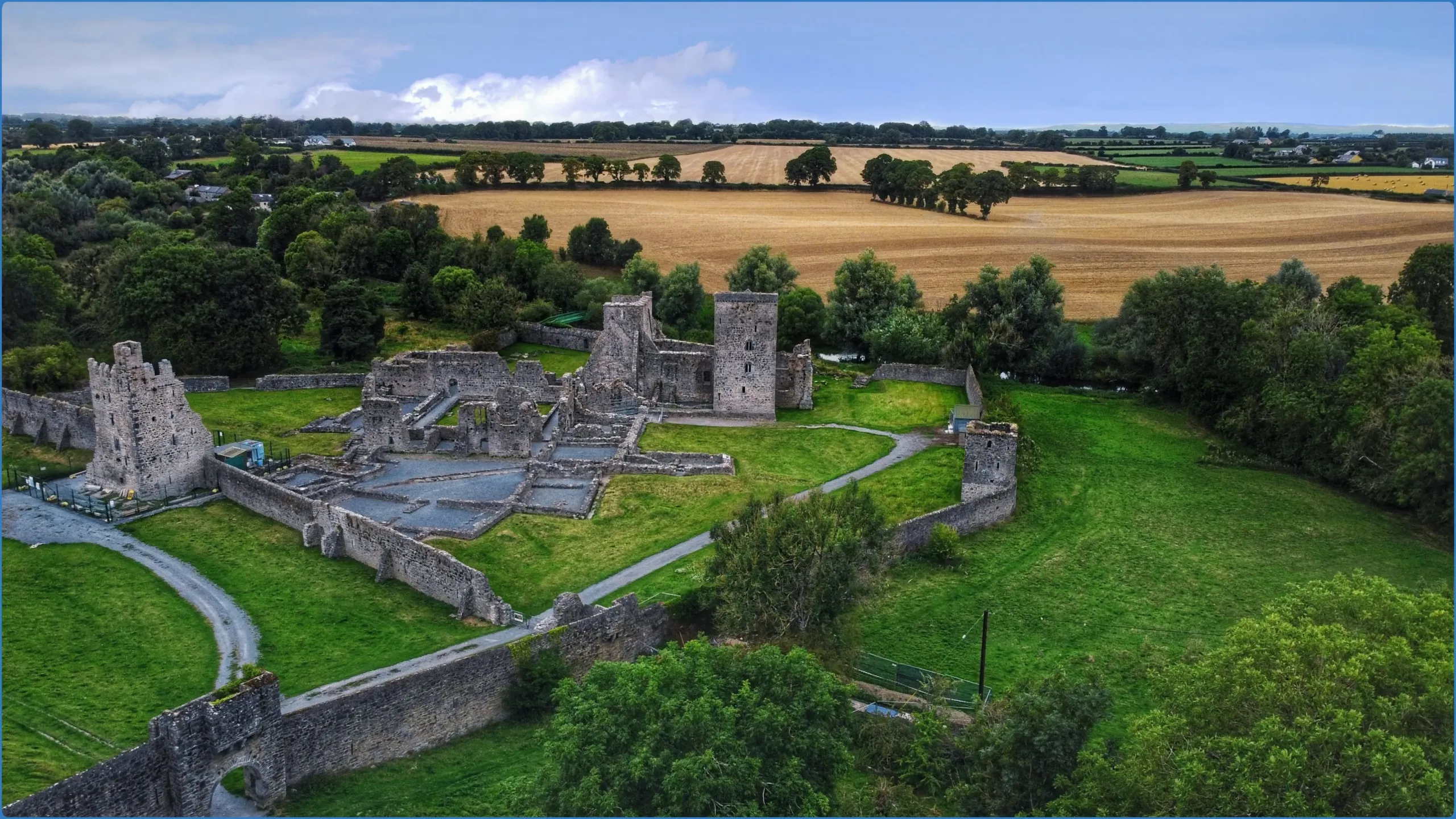
What makes Kells Priory so grabbing today is just how big it is, and how amazingly well-kept its massive outer walls are. These give it a really strong, almost castle-like look, which is why locals nicknamed it "the Seven Castles." These high walls, with all their defensive towers, tell you a lot about how rough things often were in medieval Ireland. Even though it was a place for praying, the priory also needed to be safe. The old hints here aren't just about quiet prayers; they're also about possible raids and needing to be protected. These walls do bring stone alive with stories of faith needing a good defence.
Life as a Monk: Prayer, Work, and Peace?
Inside those strong walls, the history of Kells Priory played out for hundreds of years. Just picture the daily life of those Augustinian monks: sticking to their rules, their daily round of prayers in the priory church (you can still see the ruins), maybe working in a writing room (scriptorium), looking after the priory's land and tenants, and offering a bed to travellers. The huge place would've had not just the church and rooms for the monks, but also a meeting room, dining hall, sick bay, places for guests, and various farm buildings. Each bit of ruin is like a doorway to old times. The stories of monks here are about learning, religion, running an estate, and living in a community.
The Magic of the Place: River, Ruins, and That Atmosphere
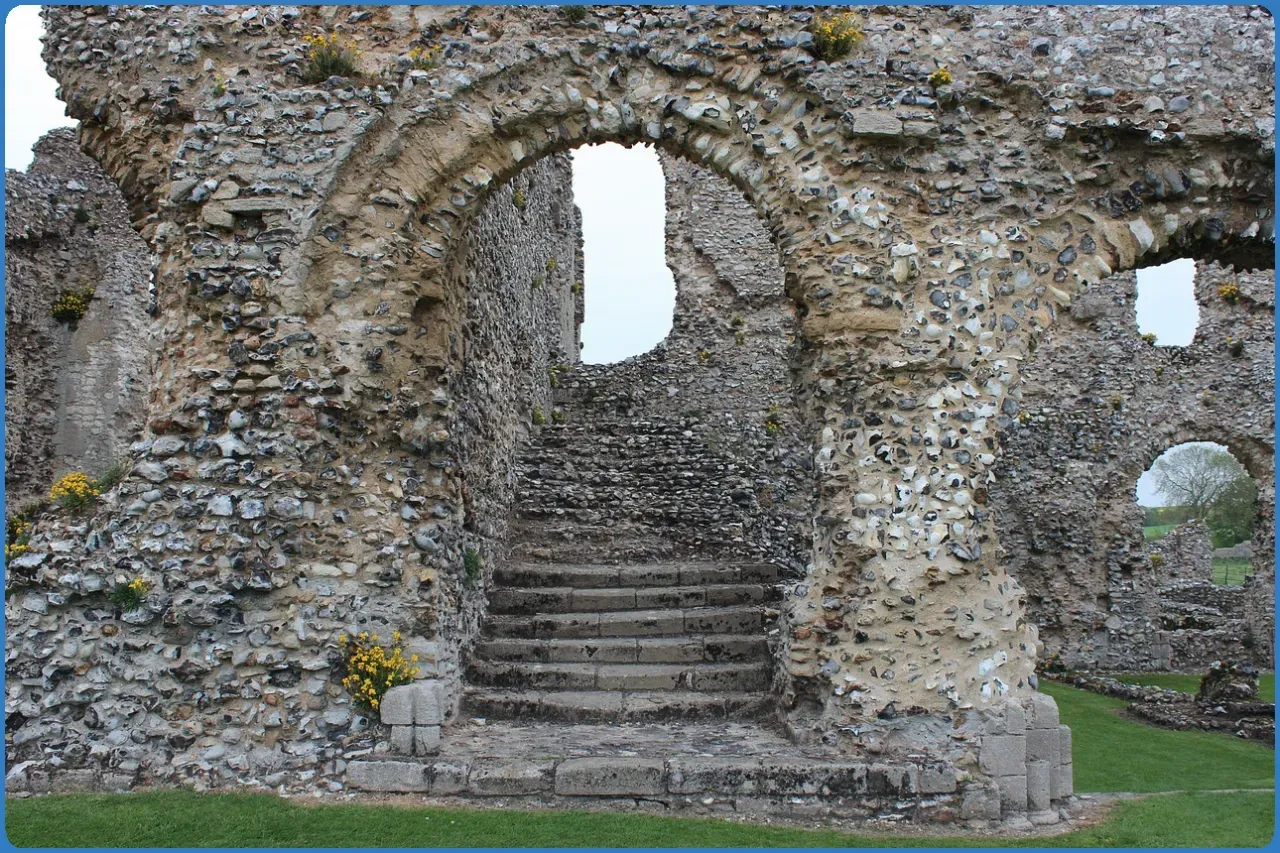
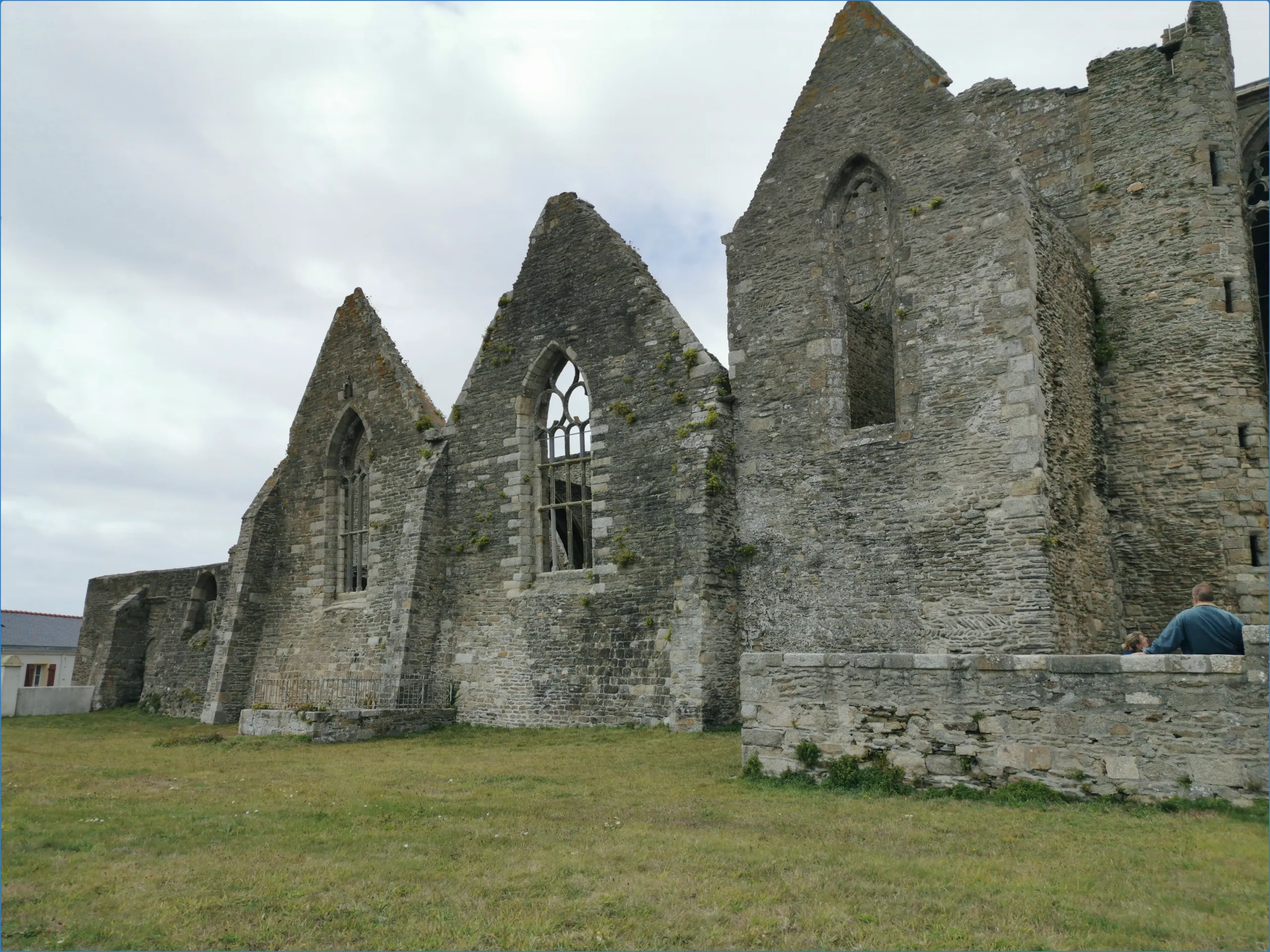
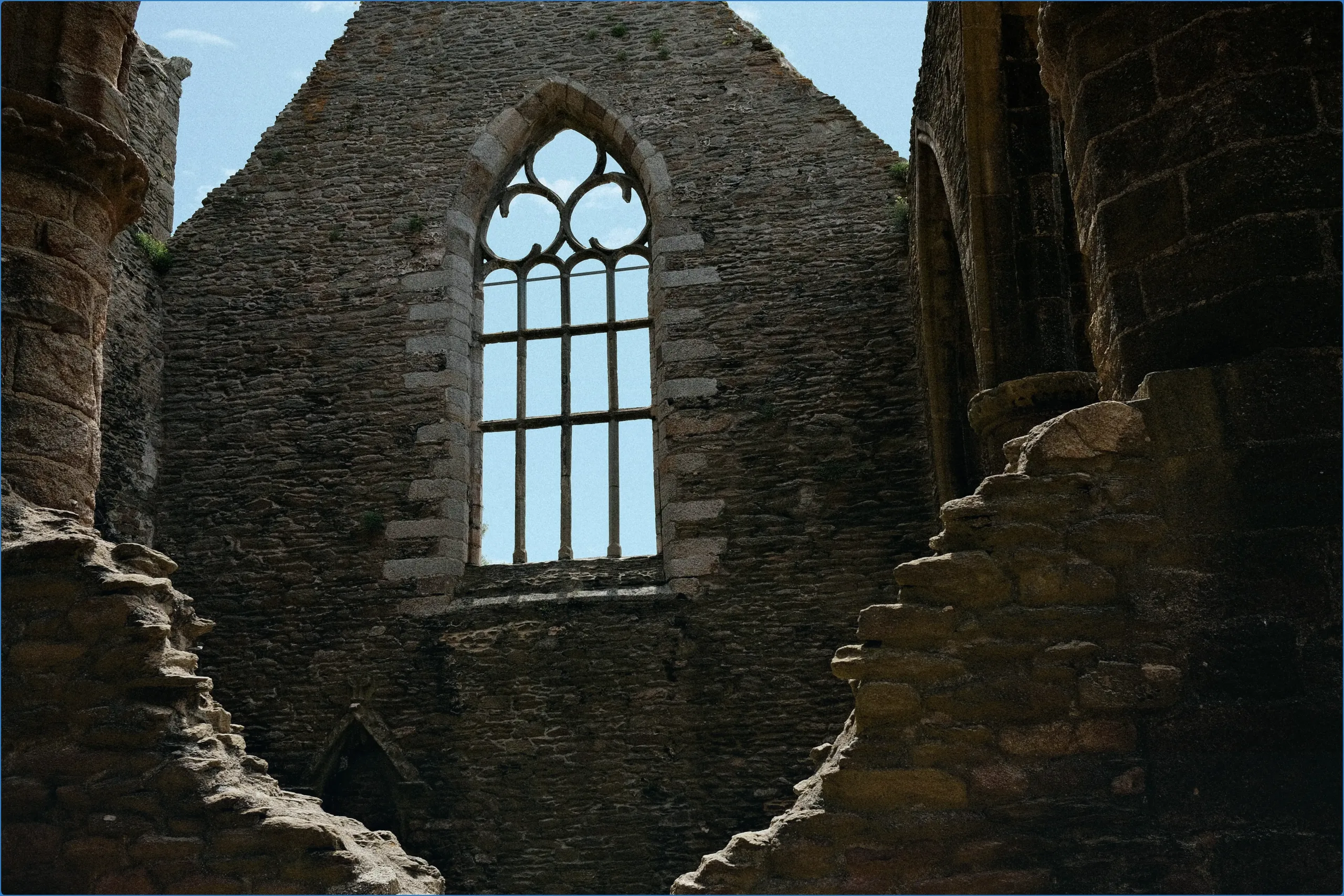
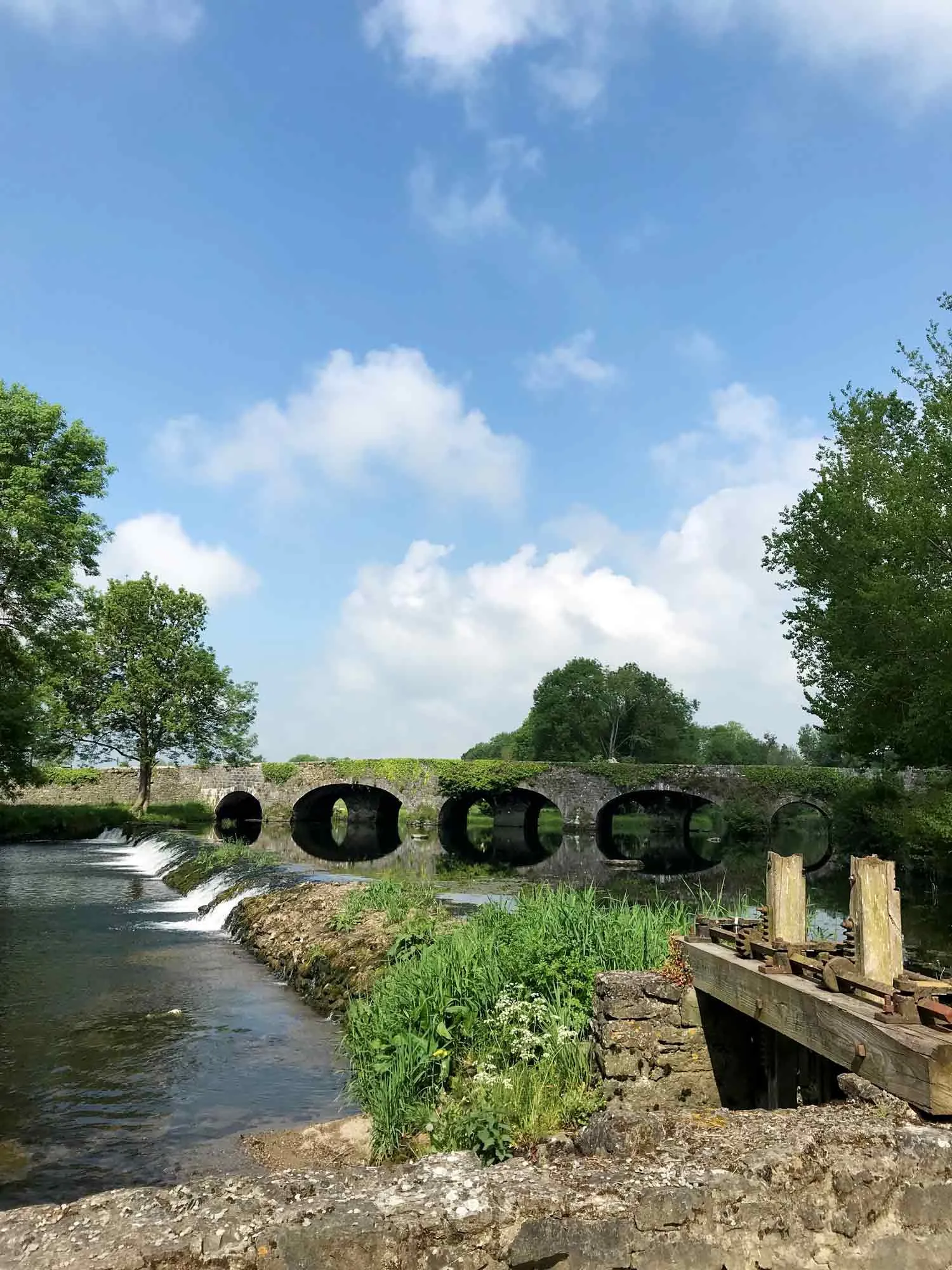
The mysterious charm of Kells Priory gets a real boost from its pretty setting next to the King's River. The river flowing gently by, the green fields all around, the big old trees—it all adds to a feeling of peace today that makes you forget the sometimes violent past it must have seen. The ruins themselves, with their weathered grey stone, arched windows, and crumbling towers, have a romantic, almost sad beauty. As you wander around, you feel the echoes of time. You can walk in the footsteps of the monks who walked these paths every day, or imagine the knights and lords like FitzRobert who supported the priory and maybe came here for spiritual advice.
How Did It Survive the Reformation? That's a Good Question!
This amazing state of being amazingly well-kept brings up a really interesting question—one of the chapel's hidden secrets. So the big question is: how did Kells Priory dodge the bullet during the Irish Reformation in the 1500s, when loads of churches and monasteries had statues smashed, were changed around, or just got shut down? Many places like this, tied to the old Catholic ways, were hit hard. Kells surviving so completely, still looking very pre-Reformation, is special. Maybe it wasn't fully up and running as planned? Or maybe it didn't become a main local church, so it avoided needing big changes? Or perhaps the local powerful families managed to protect it? Whatever the exact reasons—and historians still like a good argument about it—the fact that it survived means it especially connects eras, giving us that genuine look into late medieval religious life.
Feeling the History When You Visit
Visiting Kells Priory today gets your senses tuned into history. It's less about admiring fancy decorations and more about just soaking up the atmosphere. Feel the cool old stones, see how the light moves across the bare walls, and enjoy the simple shapes of the buildings. Stand in the choir, where those priests once chanted daily prayers for the souls of the founder and his family. Look up at the solid tower. Walk down the nave. Because it’s quite empty, you can almost hear those hints of history more clearly. It makes you think about the beliefs that got it built, the people connected to it, and all the big changes in the world outside that these walls quietly watched. It's a place for quiet thoughts.
A Quiet Powerhouse of History
So, to sum it up, Kells Priory is a quiet but strong reminder of the past. Its grabbing story is about belief, powerful families, and amazing (and slightly mysterious) survival. It doesn't shout; it whispers its history to you when you're inside its simple, special old halls. It connects eras not by changing, but by staying the same, letting the late medieval world feel incredibly close. The mix here is made of devotion, stone, and the quiet passing of nearly 800 years! A visit leaves not so much memories of sparkly things, but something deeper, more thoughtful—something you won't forget, a real appreciation for this amazing survivor and the lasting spirit it holds.
Comments